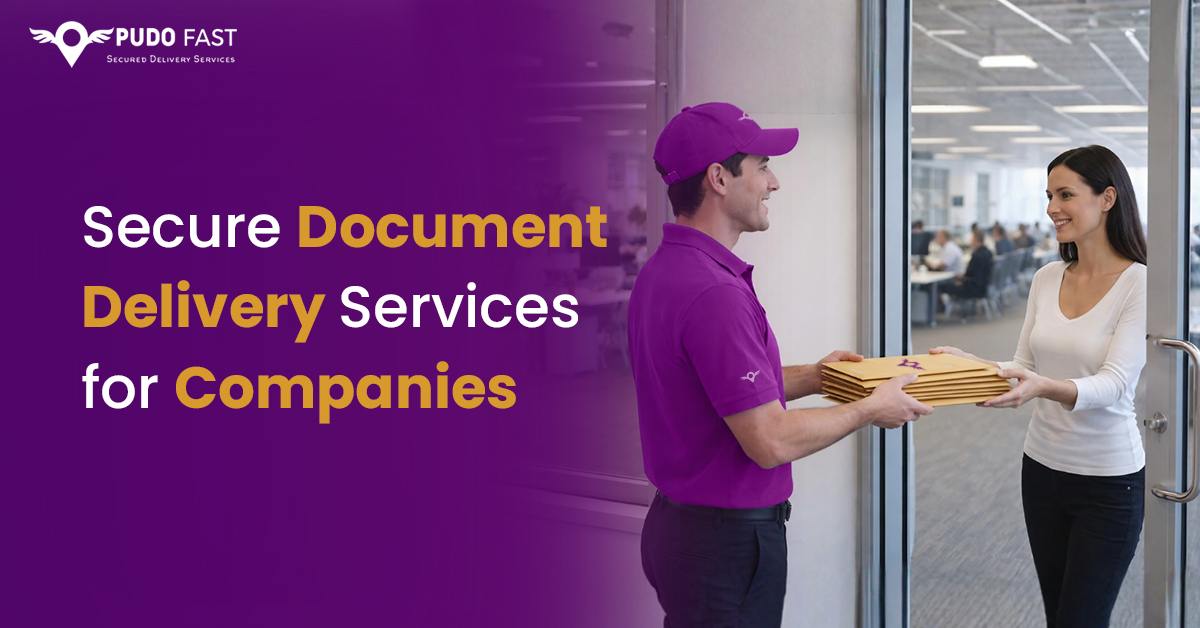
A contract sits on your desk at 5:20 pm. It needs signatures tonight. Email isn’t secure enough. Regular couriers feel risky. Driving across Manhattan traffic just to hand over paperwork is not an option.
This is the moment when corporate delivery solutions become less about speed and more about trust.
Modern businesses move information constantly. Legal agreements, financial statements, HR records, and medical paperwork. Each document carries responsibility, liability, and sometimes regulatory weight. Getting it from one person to another safely is no longer a simple errand. It’s an operational decision.
How Secure Document Delivery Services Work
At a basic level, these services combine physical transportation with digital-grade security thinking. The goal is simple. Move sensitive paperwork from sender to recipient without exposure, delays, or confusion.
A typical workflow includes:
- Encrypted handoff protocols: Packages remain locked and accessible only through verification. No casual handling or open transfers.
- Personalized access based on identity: OTP verification protects packages with access that only the intended receiver can access or open.
- Real-time tracking visibility: The sender can track the movement through transit, and not just with “out for delivery,” at the time of arrival.
- Time slot delivery control: Recipients have the option of when they want to have packages delivered; thus, the opportunity for missed deliveries and decreased risk of exposure has been minimized.
Unlike traditional courier models, secure delivery focuses on custody. Every handoff is intentional. Every step is logged. The chain of responsibility stays intact.
Why Security Matters in Document Transportation
Documents often contain information that cannot be recreated or publicly exposed. Losing a shipment is not just inconvenient. It can trigger legal disputes, financial loss, or compliance breaches.
Consider what’s commonly transported daily:
- Contracts and legal notices
- Loan paperwork and financial statements
- Identity records and HR documents
- Property and compliance files
A misplaced envelope can stall deals or create liabilities. That’s why secure document delivery exists as a specialized layer beyond a typical business courier service.
Security is not paranoia. It’s operational discipline.
Common Risks in Traditional Document Delivery
Most companies still rely on standard courier workflows built for parcels, not paperwork. The result is a system optimized for volume rather than confidentiality.
Typical vulnerabilities include:
- Multiple handling points: Packages pass through sorting hubs, increasing exposure.
- Lack of identity verification: Anyone present at the address may receive the envelope.
- No controlled access during transit: Paperwork travels in open containers alongside unrelated items.
- Delivery timing uncertainty: Missed handoffs leave documents sitting unattended or rerouted.
These gaps make traditional delivery unsuitable for sensitive document transport. The system works for boxes and merchandise, not for information that demands accountability.
How Secure Couriers Protect Sensitive Information
Reliable courier models rethink the process from pickup to final handover. Protection starts before the document even leaves the sender’s location.
Core safeguards include:
- Locked transit storage: Carried in a sealed lockbox accessible only through recipient authentication.
- Few touchpoints: By utilizing direct routes instead of connecting through hubs reduces exposure.
- Recipient verification at delivery: Either an OTP or another method of identity verification will guarantee the package is delivered only to the confirmed recipient.
- Professional training for custodial couriers: Couriers are trained regarding the requirement for confidentiality as well as their logistics responsibilities.
As a result, this will convert the confidential courier service into a controlled exchange vs. a drop-off.
It’s especially valuable for legal document delivery, where even temporary access by the wrong individual can compromise confidentiality.
Role of Tracking and Proof of Delivery
Visibility removes uncertainty. In modern urban workflows, real-time updates matter as much as speed.
Two elements redefine reliability:
-
Tracked Delivery:
The ability to live track via GPS allows both sender and receiver to look at the movement of the package within a city, which eliminates anxiety and allows the receiver or sender to coordinate.
-
Proof of Delivery:
Handoff verification establishes a historical record of who received the package and when, which is important in fulfilling compliance requirements, resolving disputes or maintaining accountability within the company.
The combination of these services turns an otherwise routine dispatch into a documented process. For companies that are handling multiple deliveries every day, this level of transparency is a component of their operational infrastructure.
Secure Document Delivery Services for Legal and Financial Firms
Legal and financial environments operate under stricter confidentiality expectations. A delayed or mishandled package can affect compliance timelines, court proceedings, or financial disclosures.
Needs often include:
- Same day document delivery for urgent filings
- Secure transfer of contracts and agreements
- Delivery confirmation for audit trails
- Controlled access for sensitive financial paperwork
These companies need reliability – no compromise! Reliability does not just mean speed; reliability includes reliability (consistency), custody, and documentation.
Secure workflow processes ensure secure storage of sensitive materials from shipping until receiving them, including when shipping in fast-moving urban environments.
Compliance and Confidentiality Standards include
Security is not just a feature; it works in sync with larger compliance standards. The security of data must be considered by any organization, as the following example illustrates:
- Expectation of data protection: This means that most documents have personal and/or financial data associated with requirements for the protection of the data by law.
- Chain of custody: Knowing who handled a package at each level in the transport process reduces disputes between parties about the package or its contents.
- Controlled conditions during delivery: Limiting the ability of persons from seeing or having access to the item protects the receiver’s trust in the delivering party.
For every company involved in auditing, financial disclosures, or providing confidential client correspondence via courier services, a secure courier service is not a convenience; it is critical infrastructure for conducting business.
When selecting a document delivery partner, there is more to consider than comparing costs and speed. The ideal partner will have an understanding of issues such as business continuity, confidentiality, and operational pressures of an organization.
Key Factors to Consider When Selecting a Partner
-
Security oriented:
Before choosing a company, look for one that has developed a secure system for shipping sensitive materials rather than using general-purpose parcel carriers to deliver non-sensitive products.
-
Flexibility in delivery options:
Implement time-allocated delivery windows to help reduce the number of missed deliveries while enhancing the shipper’s control over when products will arrive.
-
Integrated technology:
Expect integrated technologies that allow for real-time tracking, verify shipment identities, and provide proof of delivery electronically.
-
Responsive Local Courier Service:
Urban couriers located within the same metropolitan area can provide superior service levels than could be possible if shipping with companies located outside the area. Urban courier companies that have experience routing goods in your area will deliver faster than other methods of shipping.
-
Reputable service:
A dependable partner produces dependable service. More important than single instances of fast deliveries is the repeatability of delivering on time. Consistently delivering on time will give you confidence that your partner will meet or exceed your needs as well as those of other potential customers.
New delivery methods must meet: the varying timetable of last-minute schedules, urgent pickups or deliveries; and the needs of keeping information and communication secure throughout the entire process.
In major urban areas like New York City, the need for security, privacy, timely coordination, and responsiveness of delivery systems creates a normal expectation among all businesses instead of an exception.
How Urban Living Impacts the Expectation for Deliveries
Every day, professionals attend multiple meetings and work from home; small business owners juggle customers, complete business-related paperwork, and run errands all at once; and families that have parents who work are constantly juggling working and caring for their children and scheduling their daily lives. As society continues to move at a fast pace, so must delivery systems evolve and adapt to keep up with this rapid pace.
Secure express document service models now include:
- Scheduled handovers based on availability
- On-demand pickups across neighborhoods
- Direct routes without hub delays
- Assistance with errands and essential pickups when needed
This approach moves beyond logistics. It becomes a support system for urban routines.
The real difference lies in control. Senders choose when and how deliveries happen. Recipients know exactly when to expect them.
The Shift Toward Smarter Delivery Choices
Companies no longer treat delivery as a background task. It directly affects efficiency, risk management, and client trust.
Secure document delivery is about reducing friction:
- No uncertainty about who received a package
- No exposure during transit
- No missed handoffs due to unpredictable timing
It aligns with how modern teams operate. Fast decisions, distributed workspaces, and minimal tolerance for operational risk.
Businesses that upgrade their delivery systems often see immediate gains in coordination, compliance, confidence, and workflow reliability.
And once teams experience that level of control, returning to traditional models feels inefficient.
Final Takeaway
Security in delivery is not about fear. It’s about respect for the value of information.
When documents move, they carry commitments, legal obligations, and financial decisions. Treating them like standard parcels creates unnecessary exposure.
The smarter approach focuses on custody, verification, and visibility. Not just getting documents delivered, but ensuring they arrive safely, intentionally, and with accountability.
For companies navigating high-stakes paperwork, modern document delivery services offer more than transportation. They provide operational confidence.
And in a city where time is tight and information moves constantly, that confidence becomes a competitive advantage.